 English
 Français
 Deutsch
 Español
 Italiano
 Português
Phone Number Validator
Monitor your number reputation and ensure consistent outbound performance
What is a phone number validator?
A phone number validator is a tool used to verify the status and reputation of phone numbers before they are used for outbound calls. For outbound contact centers specifically, it helps determine whether an agent’s calling number is valid, reachable, and more importantly, whether it is likely to be flagged as spam by carriers or end users. Beyond simple number formatting or existence checks, a phone number validator focused on outbound calling analyzes how phone numbers are perceived across telecom networks.
What are the benefits of a phone number validator?
Higher Contact Rates
When outbound numbers are flagged as “spam likely” or blocked by carriers, calls almost never reach their destination. A phone number validator helps identify risky numbers early, allowing teams to switch, rotate, or remediate them before launching outbound campaigns. The result is fewer blocked calls, less ignored calls, and significantly higher answer rates.
Improved Data Quality and Compliance
Validating phone numbers also supports cleaner datasets and safer calling practices. By continuously monitoring number status and reputation, organizations reduce the risk of repeatedly calling from compromised numbers, limit customer frustration, and align more closely with telecom regulations and carrier expectations.

When to use a phone number validator?
Before Launching Outbound Campaigns
Before starting a sales or retention campaign, validating the reputation of outbound numbers helps ensure calls won’t be blocked or labeled as spam. This step is especially critical when activating new numbers, scaling call volumes, or entering new regions where carrier behavior may differ.
During Data Imports and CRM Updates
A phone number validator is also useful during CRM cleanups, number migrations, or operational changes. Regular checks allow teams to detect reputation issues early and avoid performance drops caused by unnoticed number degradation over time.
Which departments can profit from a phone number validator?

Sales Teams
Sales teams rely on high outbound volumes and fast connections. Validating calling numbers helps ensure that prospecting calls actually reach decision-makers, reducing wasted dial attempts and improving overall productivity.
Customer Support and Retention
For support and retention teams handling callbacks or proactive outreach, using validated numbers helps maintain trust with customers. Calls coming from clean, reputable numbers are more likely to be answered and less likely to trigger suspicion or frustration.
Marketing and Campaign Operations
Marketing and operations teams benefit from better campaign performance and more reliable reporting. By validating outbound numbers, they can better isolate performance issues related to messaging or targeting, rather than hidden carrier-level blocking.
How does Diabolocom keep you updated about the status of your phone numbers?
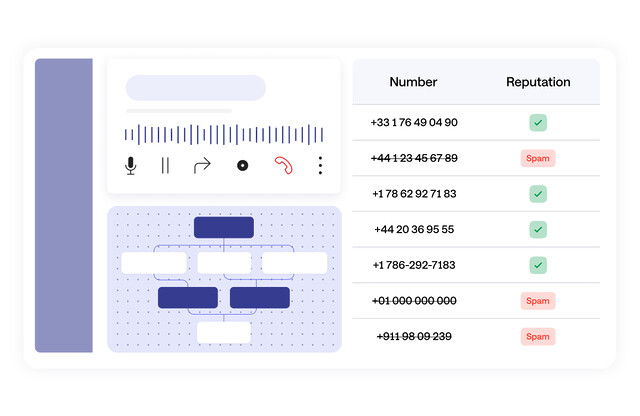
Diabolocom’s Number Reputation Checker is designed to help contact centers assess the reputation of their outbound phone numbers and understand how they are perceived across telecom networks. The solution analyzes calling numbers to identify potential issues that can impact outbound call performance. By providing clear visibility into the status of phone numbers, the Number Reputation Checker helps contact centers detect risks early and take the necessary steps to protect their outbound calling strategy.
FAQ
What is the main benefit of a phone number validator?
The main benefit of a phone number validator is improved outbound call performance. By checking the status and reputation of phone numbers, contact centers can reduce blocked or ignored calls, avoid spam labeling, and increase contact rates. This helps teams focus their efforts on calls that are more likely to reach real customers.
Can a phone number validator detect disconnected or inactive numbers?
A phone number validator can help identify numbers that are no longer valid or present delivery risks, depending on the type of analysis performed. In an outbound contact center context, validation focuses primarily on whether calling numbers are active, usable, and likely to be accepted by telecom networks rather than filtered or blocked.
Is phone number validation automated within Diabolocom?
Phone number validation within Diabolocom is not fully automated. With the Number Reputation Checker, contact centers choose when to analyze their phone numbers. This allows teams to run checks at key moments, such as before outbound campaigns or when investigating performance issues, without continuous background analysis.
Does using a phone number validator improve customer experience?
Yes, using a phone number validator can improve customer experience. Calls coming from trusted, recognizable numbers are more likely to be answered and less likely to be perceived as spam. This reduces frustration for customers and helps create more positive, transparent interactions with contact center agents.