English
 Français
 Deutsch
 Español
 Italiano
 Português

What “Spam Risk” Means
Spam risk refers to the probability that a phone number will be identified by carriers, operating systems, or third-party analytics providers as a potentially unwanted caller. When a number carries a high spam risk, recipients may see warnings such as “Spam Risk,” “Spam Likely,” or similar alerts on their screen. In more severe cases, calls may be silently blocked before the phone even rings.
Spam risk is not the result of a single action or isolated incident. It is calculated through a continuous evaluation of calling behavior, recipient reactions, and historical data associated with the number. This means that spam risk can affect any business number, including those used by sales teams, customer service departments, appointment reminders, or notification systems.
It is important to distinguish spam risk from scam detection. Scam Likely labels are generally tied to confirmed malicious activity such as fraud, impersonation, or financial abuse. Spam risk is broader and more ambiguous. A number reputation can be damaged and tagged as spam risk even when the business is fully legitimate and compliant. Aggressive dialing strategies, inconsistent calling patterns, or a sudden spike in activity can all be enough to raise suspicion within telecom operator systems.
Why Your Number Might Be Marked as Spam Risk
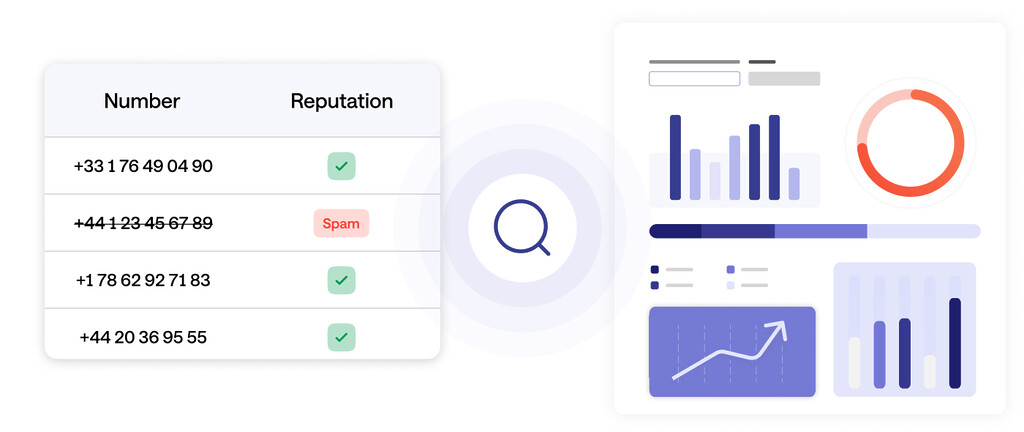
Calling Patterns
Calling patterns are one of the strongest indicators used to assess spam risk. Carriers closely monitor how often a number calls, how long calls last, and how recipients interact with those calls. A high volume of outbound calls made within a short time window can quickly resemble call bot behavior, even if each call is placed by a human agent.
Short call durations are another signal that can contribute to spam risk. If many calls are unanswered, declined, or end within a few seconds, this suggests low engagement and increases the likelihood that the number will be flagged. Repeated redials to the same contacts, especially after missed calls, can further amplify this perception.
Timing also matters. Calls placed very early in the morning, late in the evening, or outside of local business hours tend to generate more negative reactions. Over time, these patterns create a behavioral profile that carriers associate with unwanted calling activity, regardless of the caller’s intent.
Complaints and Negative Signals
Recipient feedback plays a critical role in determining spam risk. When users manually mark a call as spam, block the number, or consistently ignore incoming calls, these actions are captured as negative signals. Even a relatively small number of complaints can significantly impact a number’s reputation, particularly when combined with high calling volumes.
Negative signals are cumulative. A number that has generated complaints in the past will be monitored more closely going forward. This creates a feedback loop where reduced answer rates lead to more short or unanswered calls, which in turn further degrade reputation. Once a number enters this cycle, spam risk can escalate quickly without visible warning signs.
It is also worth noting that complaints are not always intentional. Some users mark calls as spam simply because they do not recognize the number or are contacted at an inconvenient moment. From the carrier’s perspective, however, the reason does not matter. The signal itself contributes to the overall spam risk score.
How to Check Your Number’s Reputation
Manual Testing for Spam Risk
Many organizations attempt to evaluate spam risk through manual testing. This usually involves calling different mobile devices, checking how the number appears on various networks, and observing whether warning labels are displayed. While this method can provide anecdotal insight, it has significant limitations.
Manual testing offers only a partial and momentary view of number reputation. Call labeling can vary by carrier, region, and device type. A number that appears clean on one network may be flagged on another. In addition, manual testing does not reveal underlying risk trends or early warning signals that could indicate future problems with the number’s reputation.
Because spam risk evolves continuously, relying solely on manual checks often means reacting too late, after answer rates have already declined and campaigns have been disrupted.
Exploiting tools to verify a number’s reputation
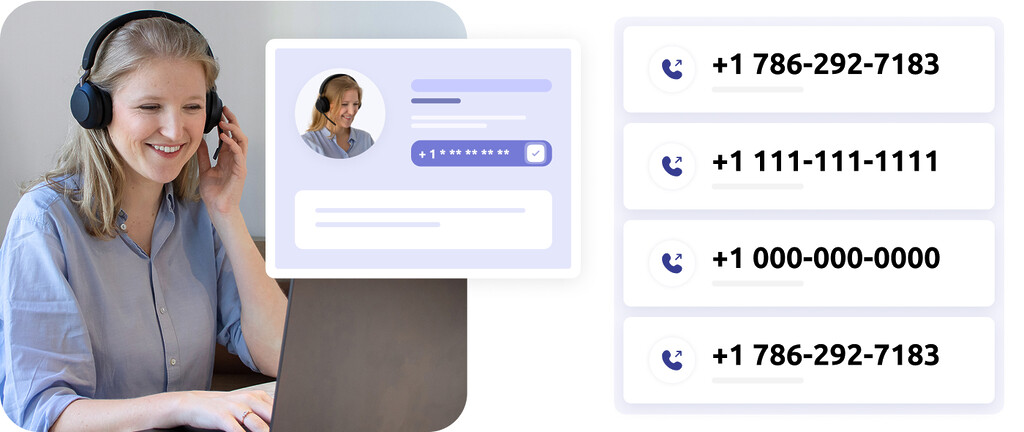
A more reliable and scalable approach is to use a dedicated Number Reputation Checker. These tools analyze how phone numbers are perceived across carrier ecosystems and reputation databases, providing a clearer view of spam risk exposure.
By using Number Reputation Checker, a Diabolocom’s solution, businesses gain access to structured insights that go beyond surface-level call labels. Embedding a Number Reputation Checker into outbound calling operations allows teams to make informed decisions, adjust strategies proactively, and protect critical numbers before performance is affected.
How to Fix and Prevent Spam Risk Labels
Improve Call Practices
Reducing spam risk starts with adopting more responsible and consistent calling practices. Stable call volumes, progressive ramp-ups for new numbers, and balanced pacing help establish a healthier calling profile. Avoiding sudden spikes in activity is particularly important when launching new campaigns or rotating numbers.
Call quality also matters. Longer, meaningful conversations signal legitimate engagement and help offset negative indicators. Ensuring that agents reach relevant contacts, respect local calling hours, and avoid excessive retries contributes to stronger recipient interactions. Over time, these practices build trust signals that carriers recognize as legitimate business behavior.
Monitor Your Phone Number Reputation
Spam risk management is not a one-time effort. Phone number reputation changes constantly based on recent activity and recipient feedback, and so, continuous monitoring is essential to detect early signs of degradation and respond before issues escalate.
Regular reputation checks allow teams to identify which numbers are at risk, pause or reassign problematic numbers, and refine calling strategies accordingly. With ongoing monitoring supported by Diabolocom’s Number Reputation Checker, businesses can maintain long-term deliverability, protect answer rates, and avoid the costly disruption of blocked or mislabeled calls.
Conclusion
Spam risk is now a defining factor in outbound calling success. It affects visibility, answer rates, and ultimately the effectiveness of business communications. Legitimate organizations can no longer assume that compliance and good intentions are enough to ensure calls reach their recipients. Understanding how spam risk is created, knowing how to assess number reputation, and actively managing calling behavior are essential steps to maintaining trust with carriers and customers alike.
By combining disciplined call practices with continuous reputation monitoring, businesses can take control of spam risk instead of reacting to it. Solutions such as Number Reputation Checker make this visibility actionable, helping organizations protect their numbers, sustain engagement, and preserve the value of every outbound call.
Ensure your numbers' reputation with Diabolocom